Key Takeaways
- LCD video walls use a backlight behind liquid crystals, while direct-view LED video walls use individual LEDs for each pixel, offering better contrast and brightness.
- LED video walls provide a truly seamless, bezel-free look, whereas LCD panels have visible borders, though ultra-narrow bezels are available.
- For image quality, LED generally leads with superior black levels, contrast, and color accuracy, especially in high ambient light, while LCD is strong for close-up viewing.
- LCD video walls typically have a lower upfront cost and use less energy, making them more budget-friendly initially, but LED walls often have a longer lifespan.
- LED video walls are better suited for outdoor use and high-brightness environments due to their durability and superior light output, while LCD is generally best for controlled indoor spaces.
Understanding The Core Differences: LED Video Wall vs LCD Video Wall
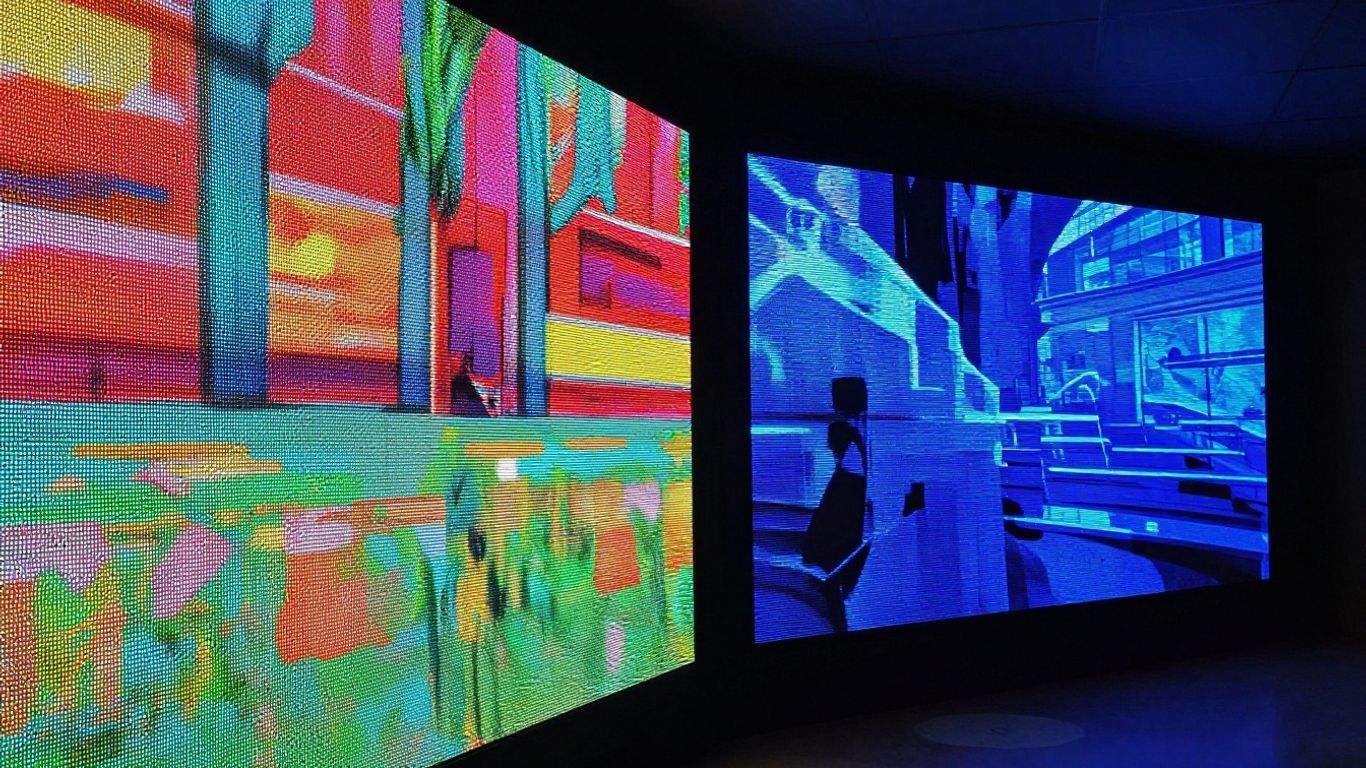 Alright, let’s get down to brass tacks and figure out what really separates an LED video wall from an LCD one. It’s not just about fancy buzzwords; there are some pretty big technical differences that affect everything from how it looks to how much it costs.
Illumination Technology: Backlight vs. Direct View
This is probably the biggest distinction. Think of it like this: LCD panels are like a window with a light behind it. The liquid crystals themselves don’t make light; they just block or let light through from a backlight. In older LCDs, this was usually fluorescent tubes, but nowadays, it’s almost always LEDs. So, when people talk about an “LED LCD” screen, they mean an LCD panel that uses LEDs for its backlight. On the other hand, a true Direct View LED video wall is made up of tiny individual LEDs that act as the actual pixels. Each tiny LED emits its own light, meaning there’s no separate backlight needed. This direct approach is a game-changer for brightness and contrast.Pixel Construction: Individual LEDs vs. Liquid Crystals
Following on from the illumination, the way the picture is actually made is different. With LCDs, you have a layer of liquid crystals that twist or untwist when an electric current is applied. This action controls how much light from the backlight gets through to create colors and images. It’s a bit like a dimmer switch for each tiny part of the screen. For LED video walls, each pixel is literally a tiny LED. These LEDs can be turned on or off individually, and they produce their own light in specific colors. This means you get a much more precise control over what you see on the screen.Seamlessness: Bezel-Free Design vs. Panel Borders
This is where you can often spot the difference visually, especially with older setups. LCD panels, even the ones designed for video walls, have a physical frame around them, called a bezel. When you put multiple LCD panels together to make a big screen, you end up with visible lines or borders where these bezels meet. Manufacturers have gotten really good at making these bezels super thin, sometimes just fractions of a millimeter, but they’re still there. Direct View LED walls, however, are built from modular cabinets that fit together without any gaps or frames. This allows for a truly seamless display, where the image flows uninterrupted across the entire surface. This is a big deal for certain applications where you want a completely unified visual experience.When you’re looking at video walls, the term ‘bezel’ refers to the border around each individual screen panel. For LCDs, these bezels create visible lines when multiple panels are joined. LED walls, built from smaller, interlocking modules, typically don’t have these visible borders, offering a more continuous picture.
Image Quality And Visual Performance
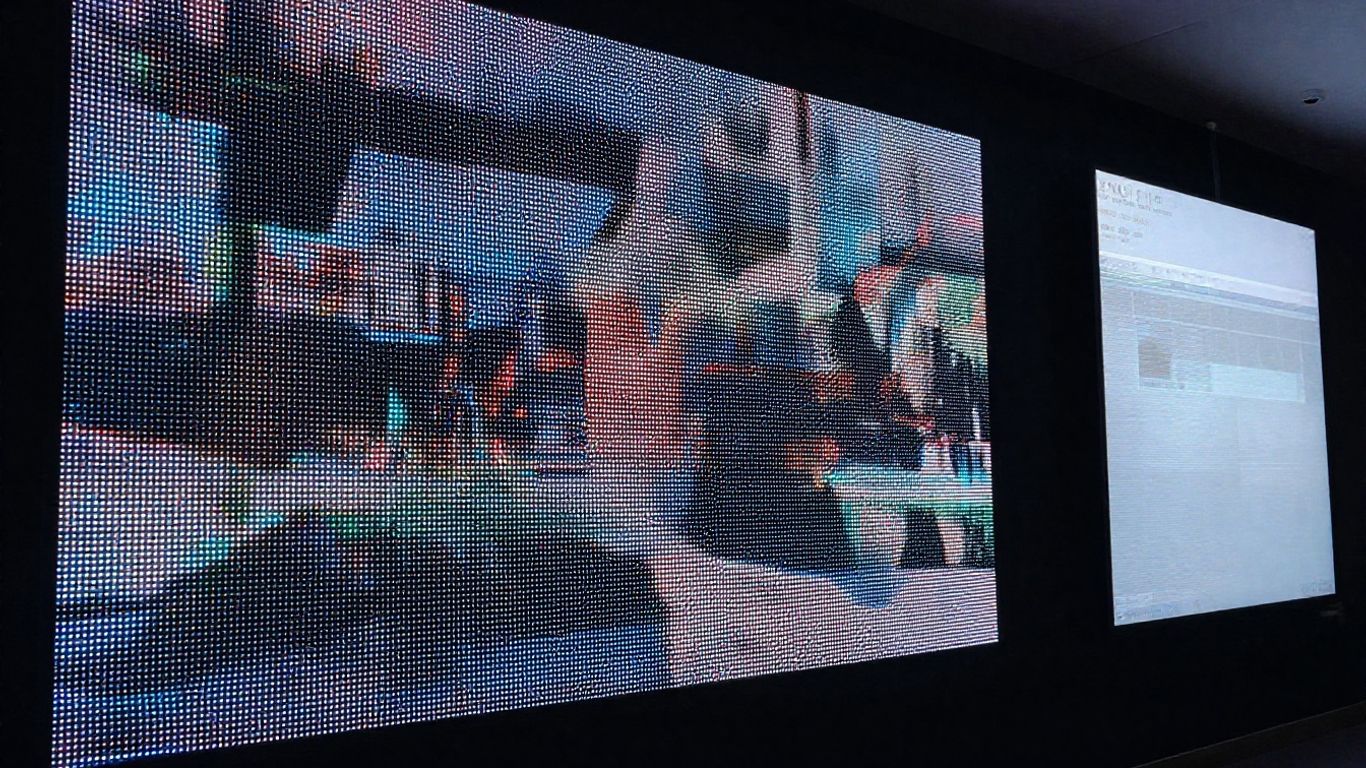 When you’re looking at a video wall, the first thing that hits you is how the picture looks, right? It’s not just about having a big screen; it’s about what that screen actually shows you. This is where the rubber meets the road for LED versus LCD video walls.
Contrast Ratios and Black Levels
This is a big one. LED video walls generally offer superior contrast ratios and deeper black levels compared to their LCD counterparts. Think about watching a movie with dark scenes. With an LED wall, those blacks will look truly black, making the bright parts pop even more. LCDs, on the other hand, often struggle with true black, sometimes appearing more like a dark gray. This is because LCDs rely on a backlight that’s always on, even when displaying black, whereas LEDs can turn off individual pixels or sections, creating a much more dynamic range. For content where deep blacks and high contrast are important, like cinematic presentations or detailed graphics, LED really shines.Brightness and Ambient Light Suitability
Ever tried to watch a screen in a brightly lit room or outdoors? It’s a challenge. LED video walls typically boast much higher brightness levels than LCDs. This means they can cut through ambient light much more effectively. If your video wall is going to be in a space with lots of windows or direct sunlight, an LED display is usually the better bet. LCDs can look washed out in these conditions, even with their brightness turned up. Some high-end LED displays can even adjust their brightness automatically based on the surrounding light, which is pretty neat.Color Accuracy and Uniformity
Getting colors to look right and stay consistent across the entire screen is key. While both technologies have improved, LED displays often provide a wider color gamut, meaning they can reproduce a broader spectrum of colors. This results in more vibrant and lifelike images. Uniformity is also important – you don’t want to see splotches of different colors or brightness across the wall. Top-tier LED walls are designed to maintain excellent color and brightness uniformity over their lifespan, often with built-in calibration tools. LCDs can sometimes suffer from color shift or unevenness, especially as they age or when viewed from different angles, though advancements in panel technology are closing this gap.The difference in how light is produced is the core reason for the image quality variations. Direct view LED technology means each pixel is its own light source, allowing for precise control. LCDs use a backlight that shines through liquid crystals, which can lead to light bleed and less precise control over individual pixel colors and brightness.
Installation, Maintenance, and Lifespan Considerations
When you’re looking at video walls, it’s not just about how pretty the picture looks. You’ve got to think about the practical stuff too, like getting it set up, keeping it running, and how long it’ll actually last. This is where LED and LCD video walls can be pretty different.Ease of Installation and Setup Time
Getting a video wall up and running can be a big job. With LCD panels, you’re often dealing with multiple individual screens that need to be carefully aligned. Each panel might have slightly different color and brightness right out of the box, so calibration is a must. This can take a good chunk of time, and you’ll likely need a few people to help. Some sources say an LCD setup can take over four hours and require at least three people. Plus, LCDs often need to be mounted on a wall. LED video walls, especially the newer modular designs, are often simpler. Think of them as building blocks. The modules can automatically configure themselves once they’re connected. This means you can sometimes get an LED wall set up in as little as two hours. It’s a big difference if you’re on a tight schedule. The modular nature of dvLED technology really shines here, making installation smoother.Maintenance Procedures and Downtime
What happens when something goes wrong? With LCDs, if one panel fails, it can be a headache. You might have to take down a whole section, or even the entire wall, just to replace one part. This means downtime, and then you’ve got to recalibrate everything. This can add up to significant costs and lost viewing time over the years. Some repairs can take weeks. LED video walls usually offer a big advantage here. Because they’re built from smaller modules, you can often just swap out a single faulty module. The best part? Many LED systems allow you to do this while the screen is still on. This means no downtime for maintenance, which is a huge plus for businesses. It’s often called ‘front maintenance’ and it really cuts down on hassle.Long-Term Durability and Panel Replacement
Lifespan is another key factor. LCD panels typically have a lifespan of around 50,000 to 60,000 hours. LED displays, on the other hand, can often last much longer, sometimes over 100,000 hours. That’s over 11 years if you’re running it 24/7. This longer life means you won’t be replacing panels as often, which saves money and reduces waste. Here’s a quick look at what to expect:- Lifespan: LCDs (50k-60k hours) vs. LEDs (100k+ hours).
- Durability: LEDs are generally more robust, especially for outdoor use where they can be built to withstand weather.
- Replacement: Modular LED design makes replacing individual components much easier and cheaper than replacing entire LCD panels.
Over the long haul, the total cost of ownership for an LED video wall often ends up being lower, even if the initial price tag is higher. This is due to reduced maintenance, lower energy use, and a longer operational life.When you’re planning your video wall project, thinking about these practical aspects is just as important as the visual performance. It can really impact your budget and your overall experience with the technology. For many modern applications, the simplified installation and maintenance of dvLED are becoming a major draw.
Cost Analysis: Initial Investment vs. Total Cost of Ownership
When you’re looking at video walls, the price tag is obviously a big deal. But just looking at the upfront cost can be a bit misleading. You’ve got to think about the whole picture, from buying it to running it for years and years.Upfront Purchase Price Comparison
Right off the bat, LCD video walls usually win on price. You can get a pretty big LCD setup for way less cash than a comparable LED one. Think of it this way: an entry-level LCD might run you a few thousand dollars, while a similar-sized LED could easily be tens of thousands more. For example, some basic outdoor LED billboards might start around $350 per square meter, but high-end indoor LED displays can get much pricier. This initial price difference is often the deciding factor for many projects with tight budgets.Energy Consumption and Operational Costs
This is where things get interesting. While LCDs are often more energy-efficient for smaller screens or when running fewer hours, larger LED walls, especially those running 12+ hours a day, can actually be more cost-effective in the long run. Newer LCD panels with LED backlighting do help, cutting down consumption, but for big installations running constantly, the energy savings can add up. It’s a trade-off: lower upfront for LCD, but potentially higher running costs over time.Lifecycle Costs Over Time
Thinking about the total cost of ownership (TCO) is key. LCD panels have a shorter lifespan, typically around 50,000-60,000 hours, and their backlights can degrade, leading to uneven brightness and color over time. This means you might need replacements or recalibration sooner, adding to maintenance costs. LED screens, on the other hand, can last 100,000 hours or more. While the initial investment is higher, their longer lifespan and modular design (you can swap out individual LED modules easily) often mean lower maintenance and replacement costs over a 5-10 year period. For organizations planning to keep a video wall for a decade or more, the higher upfront cost of LED is usually offset by its longevity and reduced upkeep. Choosing the right equipment for the job is important for maximizing its life [b0a1].The decision between LED and LCD often comes down to how long you plan to use the display and how much maintenance you’re willing to handle. A cheaper initial purchase might end up costing more down the line if it needs frequent repairs or replacements.
Application Suitability: Indoor vs. Outdoor Deployments
Choosing between LED and LCD video walls really comes down to where you’ll be installing them and what kind of experience you want to create for people walking by or stopping to look. Here, I’ll break down what makes each tech work better for certain spots and situations.Indoor Environments and Viewing Distances
LCD video walls feel at home indoors. They’re all about sharp images up close and can pack tons of pixels into one screen. Offices, control rooms, lecture halls—these are the sorts of places where LCDs shine. Here’s a quick list to show common indoor uses:- Meeting rooms or boardrooms
- Retail signage where viewers stand within a few feet
- Broadcast studios and control centers
- Classrooms or lecture halls
Outdoor Installations and Weather Resistance
The moment you step outside, LED video walls pull ahead. LCD screens just aren’t cut out for rain, sun, or even dust—their backlights aren’t bright enough, and they aren’t weatherproof. LED panels, on the other hand, come with tough enclosures. Look for an IP65 rating; it means they’ll shrug off water, dirt, and changing temperatures. Most outdoor billboards, stadium screens, or roadside signs use LED for a reason:- High brightness (4,000 nits or more) to punch through daylight
- Durable in extreme weather (rain, heat, cold, dust)
- Modular build, which makes repairs easier and faster
| Deployment Area | Recommended Screen | Typical Brightness (nits) | Weatherproofing |
|---|---|---|---|
| Small Indoor | LCD | 500–1,000 | Not needed |
| Large Indoor | LED or LCD | 1,000–3,000 | Not needed |
| Outdoor/Street | LED | 4,000–10,000+ | IP65+ |
High Ambient Light Scenarios
Ever tried reading your phone in full sun? Same issue with video walls. LCDs cap out at around 700 nits. That’s great for rooms with standard lighting. But, for malls with huge windows or outdoor concert stages, it’s not enough. LED screens crank out several times that brightness without much trouble. The key benefits in these tough lighting conditions:- No washed-out images—even on bright afternoons
- Fine for window displays, atriums, and busy shopping streets
- Automatic sensors can boost LED brightness for sunlight and dial it back at night
For environments with tons of natural light, or where the weather’s unpredictable, LED video walls have become the go-to choice. They handle glare and the elements, keeping images crisp and colors punchy, year after year.In short, choosing the right video wall for your space usually comes down to this: indoors up close, go LCD; anything outdoors or with tough lighting, LED is the better pick.
Emerging Technologies Shaping Video Walls in 2026
The video wall landscape is always changing, and 2026 is no different. A few key technologies are really starting to make waves, pushing what’s possible for displays.MicroLED and Fine-Pitch Advancements
MicroLED is a big one. Instead of using a backlight like LCDs, each pixel in a MicroLED display is its own tiny light source. This means you get incredible contrast, really deep blacks, and colors that pop. It’s like the best of OLED without the worry of burn-in. This tech is becoming more common, especially for high-end applications where image quality is everything. You’ll also see a lot more about fine-pitch LEDs, which means the individual LEDs are packed closer together. This allows for much higher resolutions on smaller screens, making them great for close-up viewing.- MicroLED: Self-emissive pixels for superior contrast and true blacks.
- Fine-Pitch: Denser LED placement for higher resolution and detail.
- COB (Chip-on-Board): LEDs are directly mounted on a substrate, making them more durable and enabling tighter pixel spacing. This is becoming a go-to for demanding environments like control rooms.
The push for finer pixel pitches means video walls can now offer stunning detail, even when you’re standing right in front of them. This blurs the line between traditional screens and massive, seamless displays.
AI-Driven Calibration and Maintenance
Artificial intelligence is starting to play a bigger role behind the scenes. For large video walls, AI can automatically adjust brightness and color across all the panels to make sure they look consistent. It can also predict when a component might fail, flagging it before it causes a problem. This means less downtime and fewer service calls. Plus, AI can even adjust the display based on the room’s lighting conditions automatically.- Automatic Calibration: AI ensures color and brightness uniformity across the entire wall.
- Predictive Maintenance: Alerts for potential hardware issues before they impact performance.
- Smart Brightness Adjustment: Adapts to ambient light for optimal viewing.
HDR Capabilities and Enhanced Visuals
High Dynamic Range (HDR) is becoming standard. This technology allows for a wider range of colors and much better contrast between the brightest whites and the darkest blacks. The result is a more lifelike and immersive picture. When you combine HDR with the advancements in MicroLED and fine-pitch technology, you get video walls that can display incredibly realistic images. This is a game-changer for everything from advertising to live event production. You can find out more about advancements in LED technology that are driving these changes.| Feature | Current Standard (2025) | Emerging (2026) |
|---|---|---|
| Contrast Ratio | High | Near-infinite |
| Black Levels | Very Good | True Black |
| Color Gamut | Wide | Wider, more accurate |
| HDR Support | Common | Standard, improved |
| Pixel Pitch (min) | ~1.0mm | <0.7mm |
So, Which One Wins?
Alright, so we’ve gone through the nitty-gritty of LED versus LCD video walls for 2026. It’s not really a simple ‘this one is better’ situation, you know? If you’re watching your wallet and need something solid for indoors, especially if people will be pretty close to the screen, LCD is probably your best bet. It gets the job done, looks good, and won’t break the bank upfront. But, if you’re aiming for that super seamless look, need something that can handle bright outdoor conditions, or just want the absolute best picture quality and don’t mind paying for it, then LED is where it’s at. Think of it like this: LCD is your reliable family sedan, and LED is that fancy sports car. Both get you there, but they offer a very different ride and come with different price tags. Your final choice really just boils down to what you need it for and how much you’re willing to spend.Frequently Asked Questions
What’s the main difference between an LED video wall and an LCD video wall?
Think of it like this: LCD video walls use a backlight to make the screen light up, kind of like a lamp behind a window. LED video walls, on the other hand, have tiny lights (LEDs) that act as the actual picture-making dots themselves, directly showing the image.
Which type of video wall looks better?
Generally, LED video walls offer a more vibrant picture with deeper blacks and brighter colors because each tiny light can be controlled individually. LCDs are good, but they can sometimes have a slight glow around dark areas due to their backlight.
Can you see the lines between the screens on a video wall?
With LCD video walls, you’ll usually see a small black border, called a bezel, around each screen where they connect. Some newer LCDs have very thin bezels, but LED video walls can be made to look completely seamless, with no visible lines at all.
Are LED video walls much more expensive than LCD ones?
Yes, LED video walls typically have a higher starting price. While LCDs can be more budget-friendly upfront, LED walls might save you money in the long run due to their longer lifespan and sometimes lower energy use, depending on the specific models.
Which video wall is better for outdoor use?
LED video walls are usually the better choice for outdoors. They can get much brighter to combat sunlight and are often built to withstand rain, dust, and temperature changes, which LCDs usually aren’t designed for.
How long do these video walls last?
LED video walls generally last much longer, often over 100,000 hours, meaning they can be used for many years. LCD video walls typically have a shorter lifespan, around 50,000 hours, and may need panel replacements sooner.