Why LED Display Decisions Matter More Than You Think
An LED display is not just a visual tool. It becomes part of your communication system, your livestream setup, and your overall audience experience. When people first research options like a led wall for sale, the focus is usually on price. But in reality, the long-term success of your system depends on much more than the initial purchase. From what I’ve seen, buyers often underestimate the full video wall cost, which includes installation, configuration, maintenance, and long-term support — not just the panels themselves.Mistake #1 — Choosing the Cheapest Option
The most common mistake is choosing the lowest price without understanding why it is cheaper. Lower-cost systems often reduce expenses in hidden areas:- lower-grade LEDs
- uncertified power supplies
- weaker structural design
- limited warranty coverage
Mistake #2 — Ignoring Pixel Pitch
Pixel pitch determines how sharp your image looks based on viewing distance. Choosing incorrectly can either make content look blurry or unnecessarily expensive. A simple guideline:- Close viewing: 2.5mm
- Medium to large rooms: 3.0–3.9mm
Mistake #3 — Not Planning for Livestreaming
Many buyers forget that modern LED displays are not just for in-person viewing. If your service is broadcasted, refresh rate becomes important. Low refresh rates may look fine in person but can flicker on camera. This is especially relevant when comparing systems designed for static display versus broadcast-ready setups.Mistake #4 — Underestimating the Controller
The controller is the brain of your LED system. It manages how content is processed and displayed. Depending on your needs, you may require:-
- multiple camera inputs
- remote control functionality
- advanced scaling features
Mistake #5 — Ignoring Safety Certification
Certification is not just paperwork — it is safety and reliability assurance. For public environments, always look for UL or ETL certification. These ensure the system meets electrical safety and performance standards.Mistake #6 — Not Ordering Spare Modules
LED displays are modular, which makes them easy to repair — but only if replacements are available. Over time, production batches change, which means future modules may not match perfectly in brightness or color. That is why I always recommend ordering spare modules during installation to maintain consistency.Mistake #7 — Treating LED Like a TV
This is a mindset issue I see often. An LED display is not a television. It is designed for:- high brightness environments
- long viewing distances
- scalable installations
- continuous operation
Mistake #8 — Assuming Fixed Aspect Ratios
Many people assume 16:9 is the only correct format. In reality, LED systems are highly flexible. Custom layouts often work better for stages and worship environments, allowing better placement of lyrics, visuals, and live content.Mistake #9 — Underestimating Installation Costs
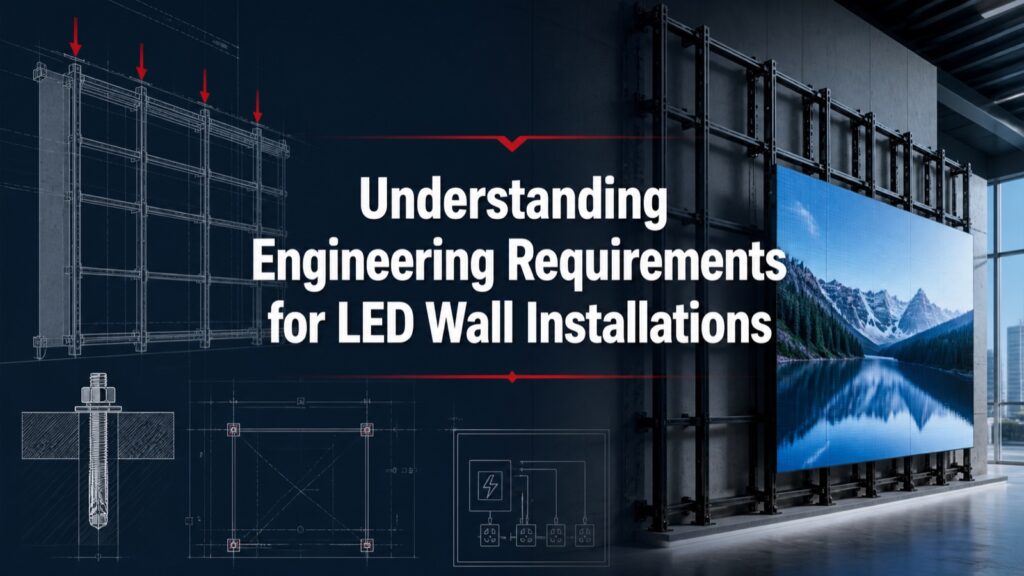
Installation is often overlooked during budgeting. Depending on the building, installation can include:- structural mounting
- power distribution
- signal cabling
- calibration and testing
Mistake #10 — Ignoring Warranty and Support
A good warranty is not optional — it is part of long-term system stability. Most reliable providers offer at least 2–3 years of coverage, along with repair support and spare part availability. Without this, even a small issue can turn into a costly downtime problem.Choosing Between Purchase and Rental Options
Not every project requires permanent installation. In some cases, an led screen rental approach is more practical, especially for temporary events or organizations testing different setups before committing. Both options have value — it depends on your long-term usage plan.