In This Article
- Why imported LED displays often cost more than expected
- Hidden fees many buyers overlook
- Warranty and support differences
- When importing makes sense
- When buying local may be the better option
Why Buyers Consider Importing LED Displays
The appeal is easy to understand. When searching online, buyers often find overseas manufacturers offering larger displays at lower prices. In some cases, the savings can appear significant enough to justify importing directly. For organizations with limited budgets, this can feel like an opportunity to get more display for less money. Many people also assume that since most LED components are manufactured overseas anyway, purchasing directly from a factory eliminates the middleman and therefore eliminates unnecessary costs. While there is some truth to that idea, the reality is more complicated. The quote you receive from a manufacturer is usually only the beginning of the total ownership cost.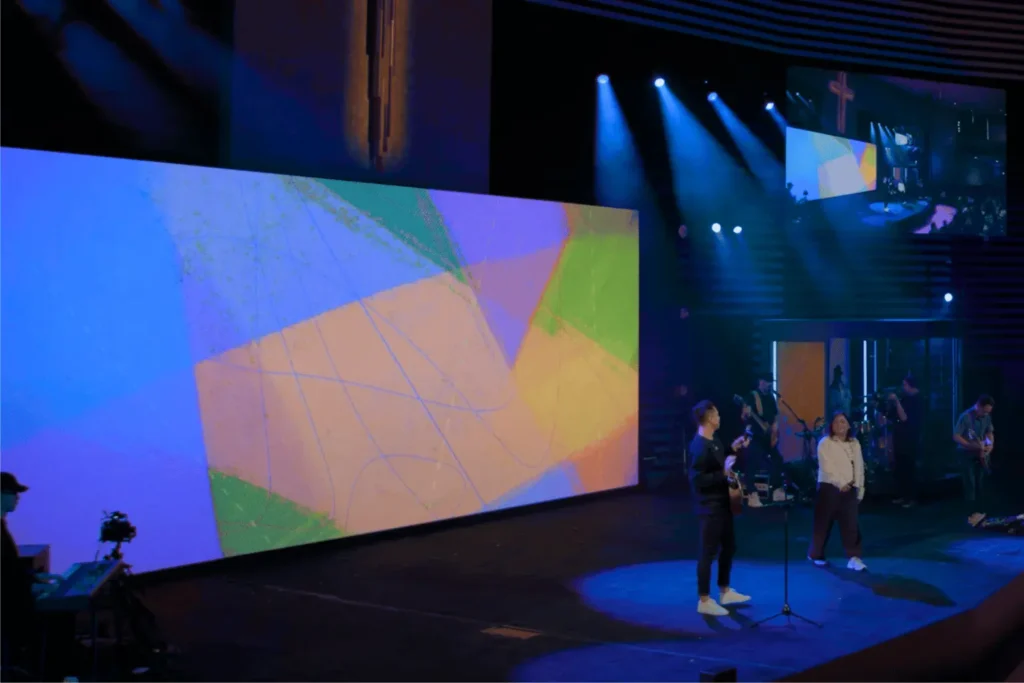
The Hidden Costs Behind Imported LED Displays
One of the biggest surprises for first-time importers is discovering how many expenses exist beyond the display itself. The panel price is only one line item. Additional costs often include:- International shipping
- Customs duties and taxes
- Customs brokerage fees
- Port handling charges
- Storage fees
- Inland transportation
- Currency conversion fees
- Insurance during transit
Important: A display that appears significantly cheaper on paper may become much closer in cost once shipping, duties, brokerage fees, insurance, and logistics are included.
Delivery Timelines Are Not Always Predictable
Another factor that is often overlooked is delivery time. Many overseas manufacturers provide estimated production and shipping schedules. Sometimes those timelines are met exactly. Other times, delays occur. Production issues, shipping congestion, customs inspections, weather events, and logistics disruptions can all affect delivery schedules. A shipment expected within a few months may arrive later than planned. For organizations preparing for an important opening, renovation, or special event, these delays can create significant challenges. When a project timeline is critical, delivery reliability becomes almost as important as the display itself.Warranty Support Looks Different When the Factory Is Overseas
One of the most common questions buyers ask is: “What happens if something goes wrong?” This is where the difference between importing and buying locally becomes much more noticeable. Most manufacturers offer warranties. The issue is not whether a warranty exists. The issue is how practical that warranty becomes when the supplier is located thousands of miles away. If a module fails, a power supply stops working, or another component needs replacement, the buyer may need to coordinate directly with the manufacturer. That often means:- Diagnosing problems remotely
- Waiting for technical support responses
- Shipping replacement parts internationally
- Managing repair logistics independently
Importing vs Buying Local: Quick Comparison
| Factor | Import Directly | Buy Local |
|---|---|---|
| Upfront Cost | Usually Lower | Usually Higher |
| Technical Support | Remote | Local |
| Warranty Service | Longer Process | Faster Access |
| Replacement Parts | International Shipping | Local Availability |
| Project Management | Self-Managed | Assisted |
Safety Certifications Matter More Than Many Buyers Realize
This topic rarely receives enough attention during the purchasing process. Not every display sold internationally carries the certifications commonly expected in North America. Depending on the installation environment, buyers may need to consider compliance with recognized safety standards and local electrical requirements. This becomes particularly important for:- Churches
- Schools
- Community centers
- Government facilities
- Public venues
Quality Differences Are Often Invisible Until Months Later
One of the biggest misconceptions in the industry is that all LED displays are essentially the same. The reality is far more complicated. Most North American providers source components from overseas manufacturers. There are very few companies producing LED modules domestically. The difference is not necessarily where the product is manufactured. The difference is experience. Established distributors spend years evaluating factories, testing products, inspecting production quality, and building supplier relationships. Unfortunately, not every factory delivers consistent results. Over the years, many companies in the industry have learned this lesson the hard way. Even organizations with overseas connections, factory visits, and extensive experience sometimes discover quality issues that only become visible after months of operation. Brightness inconsistencies, color uniformity problems, communication challenges, and component failures can all appear after installation. Identifying reliable manufacturing partners often requires years of trial and error. That experience becomes one of the primary values local distributors bring to a project.Questions to Ask Before Importing
- Who will handle warranty claims?
- How quickly can replacement parts be delivered?
- Are all certifications recognized locally?
- Who will troubleshoot technical issues?
- What are the total landed costs?
When Importing Makes Sense
Despite the challenges discussed above, importing is not automatically a bad decision. There are situations where it can be a practical and effective option. Importing may make sense if:- Budget limitations are extremely strict
- A trusted contact has already worked successfully with the manufacturer
- The buyer has technical expertise
- Installation and maintenance can be handled internally
- Spare parts and repairs can be managed without outside support
When Buying Local Often Makes More Sense
For many churches, schools, and businesses, however, support and accountability are often more valuable than the lowest possible purchase price. When purchasing through a local provider, buyers typically receive:- Faster technical support
- Local warranty assistance
- Easier communication
- Access to replacement parts
- Installation guidance
- Financing options
- Project management assistance
Looking Beyond the Initial Price
One of the most common mistakes buyers make is focusing exclusively on the upfront number. A lower quote does not automatically mean a lower long-term cost. When evaluating an LED project, it is important to consider the complete ownership experience:- Delivery timelines
- Technical support
- Warranty service
- Product reliability
- Compliance requirements
- Future maintenance
Key Takeaways
- Factory pricing rarely reflects total ownership cost.
- Shipping, duties, and logistics can reduce expected savings.
- Warranty support is often easier through a local distributor.
- Importing can work well for experienced buyers.
- The best choice depends on your budget, expertise, and support needs.