Why Churches Are Switching to LED Displays
When I first walk into a church considering an upgrade, I usually see the same issues: dim projectors, washed-out colors, and poor visibility for people sitting farther away. In many cases, the technology simply can’t keep up with modern worship needs. That’s where LED displays come in. They provide:- High brightness — even in well-lit sanctuaries
- Sharp image quality for lyrics and sermon notes
- Long-term reliability with minimal maintenance
- Flexibility in size and design
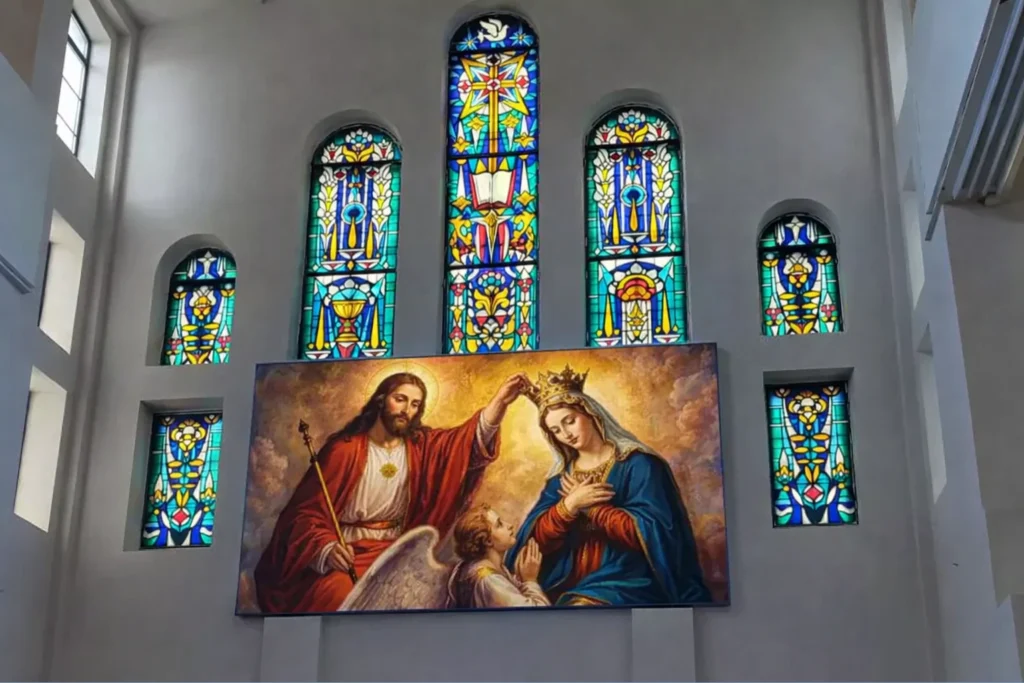
Average Cost of an LED Display for Churches
Let’s start with real numbers based on typical projects I’ve worked on:- Small churches (60 sq. ft.): $15,000 – $25,000
- Mid-size sanctuaries: $25,000 – $50,000
- Large churches (200+ sq. ft.): $50,000 – $80,000+
1. LED Display Size
Size is always the starting point. The bigger the display, the more panels, power, and structural support you’ll need. For example:- A 60 sq. ft. display works well for smaller congregations (200–300 people)
- A 200 sq. ft. display is more suitable for large sanctuaries (500+ people)
- Controller requirements
- Installation complexity
- Power consumption
2. Pixel Pitch (Clarity vs Budget)
Pixel pitch determines how sharp your image looks. In simple terms, it’s the distance between individual LEDs. Here’s how I usually explain it to churches:- 4.0 mm: Budget-friendly, best for long viewing distances (15–20 ft)
- 2.5 mm: The most common choice for churches (8–10 ft)
- 1.2 mm: Premium clarity for close seating (5–8 ft)
3. Indoor vs Outdoor Displays
Most churches install indoor LED displays, but occasionally I see outdoor setups for signage or events. Outdoor displays cost significantly more because they require:- Higher brightness levels
- Weatherproof construction
- More durable components
4. Refresh Rate (Important for Streaming)
If your church records or live streams services, refresh rate becomes important. Low refresh rates can cause flickering on camera — something the human eye might not even notice, but the camera definitely will. That said, here’s my honest advice: You don’t always need the highest refresh rate available. In many cases, proper camera settings can fix flicker issues without increasing your budget. I’ve seen churches spend extra here when it wasn’t necessary.5. GOB Protection (Durability Matters)
Church stages are active environments. Between musicians, volunteers, and sometimes kids, accidents can happen. That’s where GOB (epoxy-coated) panels come in. They protect the LEDs from:- Impact damage
- Dust
- Moisture
6. Flexible Modules (Design Flexibility)
Not every church has a flat wall. Some modern sanctuaries want curved or wrap-around designs. Flexible LED modules make that possible. They are more expensive, but they create a much more immersive experience. I usually recommend them only when the design truly calls for it — not just as an upgrade for the sake of it.7. LED Controller
The controller is essentially the brain of your LED display. For smaller setups, a simple controller is enough. For larger displays or multi-screen setups, you’ll need something more powerful. Costs typically range from:- $500–$1,000 for smaller displays
- $2,000–$3,000 for larger systems
8. Installation Costs
Installation is one of the most underestimated parts of the project. It usually includes:- Power and data wiring
- Custom mounting structures
- Wall preparation (especially in older buildings)
- System setup and calibration
- Training your team
- Ground-supported setup: $3,000 – $10,000
- Wall-mounted installation: 10–20% of total project cost
Hidden Costs Churches Often Miss
Over the years, I’ve noticed a few common surprises:- Electrical upgrades
- Structural reinforcement
- Content scaling and formatting
- Future maintenance
LED Displays vs Projectors
This question comes up all the time. Here’s the short answer:- Projectors are cheaper upfront
- LED displays are better long-term
Should You Buy or Rent?
Not every church needs a permanent installation right away. In some cases, led screen rental (50%) can be a smart way to test the technology before committing. I’ve seen churches use rentals for:- Special events
- Holiday services
- Temporary setups
Choosing the Right Solution for Your Church
If you’re planning your first LED display, here’s a simple approach I recommend:- Measure your space
- Determine viewing distance
- Set a realistic budget
- Choose the right pixel pitch
- Work with experienced professionals
Final Thoughts
At the end of the day, investing in an LED display is not just about technology — it’s about improving how your message is delivered. When done right, it enhances:- Engagement
- Clarity
- The overall worship experience