By Andrew, Lead Technician at Canadian LED
When I get called in to help churches, schools, or event venues upgrade their visual setup, one question comes up more often than not: “What is a GOB LED module, and do we actually need it?”
Even if you’ve never heard the term before, don’t worry — I’ve installed enough LED displays to know exactly how to break it down in simple, clear terms. Over the years, I’ve seen every type of panel, every challenge, and every “oops moment” that can happen during installation or daily use. Understanding GOB can save you a lot of headaches down the line.
In this article, I’ll explain what a GOB LED module is, how it works, when it’s worth it, and how it compares to standard SMD modules. I’ll also share real-world use cases, maintenance tips, and insights from my experience installing LED walls for churches, schools, and event spaces.
What is a GOB LED Module?
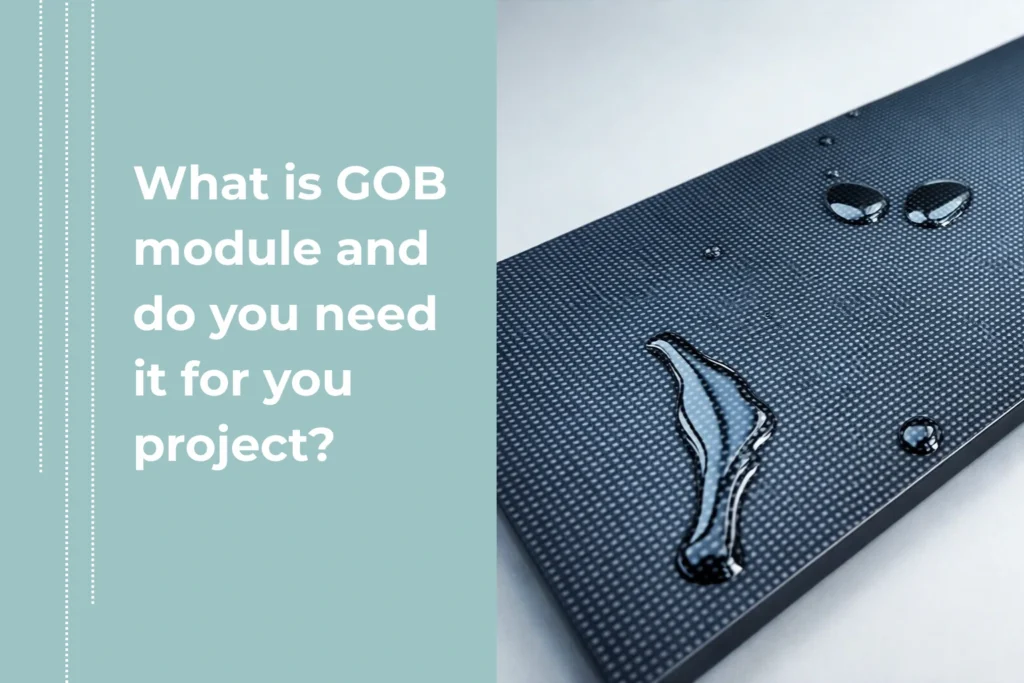
GOB stands for Glue-On-Board. Essentially, it’s an LED module with a clear epoxy coating over every pixel. The LEDs themselves are still there, just like on a standard module, but they’re protected under a smooth, transparent layer.
From my experience, the biggest benefit of GOB is durability. Standard SMD panels are fragile — if a pixel gets knocked or a module is dropped during installation, you risk losing part of the image or even damaging the module completely. GOB acts like armor.
That said, GOB does come with a slight increase in cost, usually around 5–10% of your total screen price. So it’s important to consider whether the added protection is necessary for your environment.
How the Epoxy Coating Works
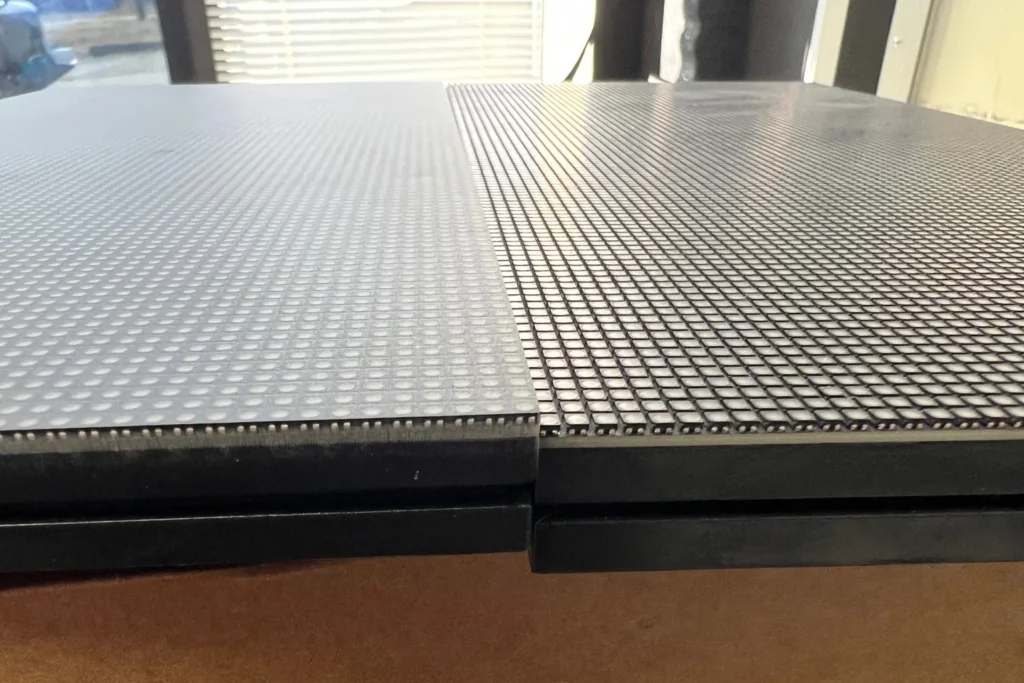
To understand why GOB is stronger, you need to know a bit about standard LED panels. Normally, LEDs sit uncovered, almost like tiny pins sticking up from the board. That’s fine if the screen isn’t touched or bumped, but it’s risky if the panel is handled frequently.
With GOB, the epoxy fills the space between the LEDs, turning the surface into one solid, protective piece. It makes the screen much more resistant to:
- Dust and humidity
- Scratches and minor impacts
- Accidental bumps during setup or operation
In my experience installing LED walls for churches and rental events, this simple layer can prevent a lot of damage — especially in environments where screens get moved around or touched regularly.
GOB vs SMD: Real-Life Crash Test
One of the clearest ways to see the difference is through real-world testing. During installation, panels are often stacked or placed on the floor, where edges might bump each other. In one of our demonstrations, we compared SMD and GOB modules side by side.
- Edge impact:
Standard SMD: Bumping the corner can knock out pixels or damage the module.
GOB: The epoxy absorbs the impact, leaving the LEDs intact. - Water drips / accidental spills:
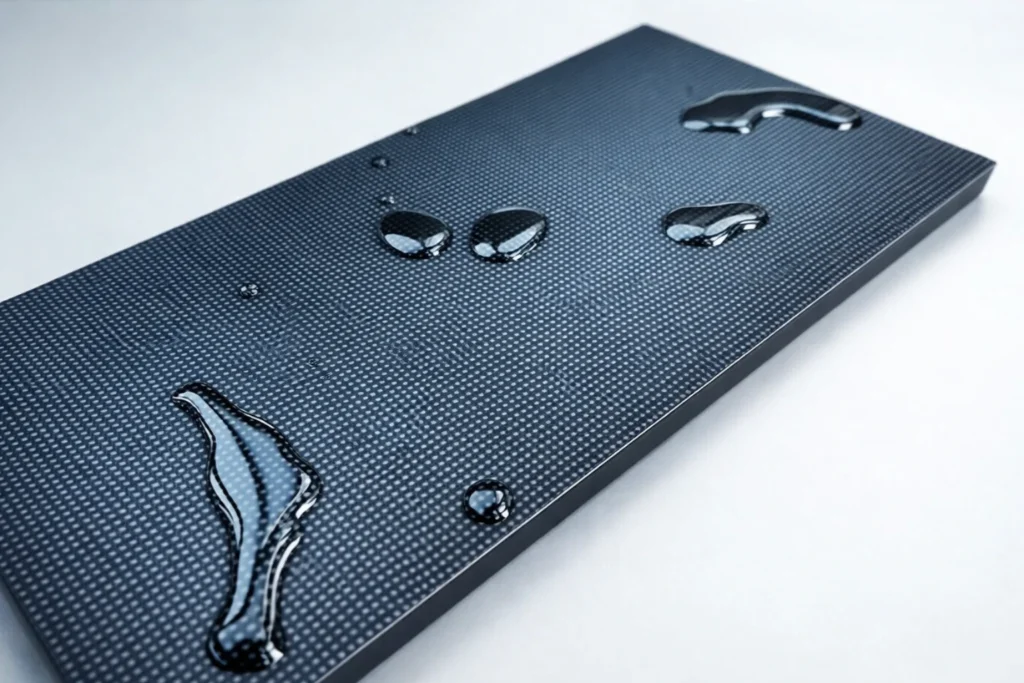
Standard SMD: Even small splashes can penetrate the board and damage the LEDs.
GOB: Epoxy prevents water from entering immediately, reducing risk.
It’s important to note: GOB isn’t completely waterproof, but it buys time and reduces accidental damage. This is especially useful for churches with lower screens, schools, or rental events where panels are handled frequently.
Limitations of GOB Modules
No technology is perfect, and GOB has a few trade-offs. The main limitation is repair:
- If a pixel burns out, you cannot repair it individually.
The epoxy coating blocks direct access, so the entire module must be replaced. Think of GOB as physical armor: it protects against bumps, dust, and scratches but isn’t repair-friendly if an LED fails. From a budget perspective, GOB increases upfront cost slightly. For some churches or corporate spaces where screens are mounted high and rarely touched, standard SMD may be more practical.
When GOB Makes the Biggest Difference
Through years of installing LED walls for different environments, I’ve noticed GOB is most valuable in high-contact situations. Here are some examples:
- Rental events: Panels are stacked, loaded, and transported constantly. The epoxy layer reduces the risk of edge damage during handling.
- Schools: Kids might touch, bump, or throw objects near the screen. GOB adds a layer of protection.
- Churches with low screens: Stage equipment or instruments can accidentally hit the display.
- DJ booths, clubs, and entry points: High crowd contact areas, accidental spills, and energetic movement.
Where you don’t really need GOB:
- High-mounted screens
- Corporate meeting rooms
- Gallery spaces or any environment where panels aren’t touched
In these cases, standard SMD modules are usually enough and more cost-effective.
Outdoor Considerations
- Outdoor LEDs need higher brightness, which generates heat.
- Epoxy over high-brightness LEDs can trap heat and potentially damage the module.
- If you want protection for outdoor screens, consider external layers, like plexiglass panels, instead of coating the LEDs directly. This provides physical protection without overheating issues.
Picture Quality Notes
- Slight glossy reflection depending on coating thickness
- Around 1–3% brightness loss, barely noticeable from normal viewing distances (above ~10 ft)
Cleaning & Maintenance
- Wipe fingerprints and dust off
- Clean without special liquids
- Avoid any risk of pulling off LEDs
Video Demonstration
Cost Considerations and LED Screen Rental
From my experience, the video wall cost depends on pixel pitch, size, and module type. Adding GOB increases upfront cost slightly, but in high-risk environments, it can save money on repairs and replacements.
Some venues also explore LED display rental before committing to a permanent installation. Rentals let you test the setup, understand space requirements, and evaluate GOB’s benefits in real-world conditions without a large initial investment. For those ready to buy, there are LED wall for sale options with or without GOB, depending on durability needs and budget.
Final Thoughts
Choosing the right LED technology isn’t just about hardware — it’s about people, space, and use cases. GOB modules provide peace of mind for high-contact environments. Standard SMD modules are fine for low-touch areas and are slightly cheaper.
In my role at Canadian LED, I’ve seen both options succeed when chosen for the right application. The key is evaluating:
- How often the screen will be touched or moved
- Environment risks like kids, crowds, or instruments
- Budget vs long-term maintenance

No matter the choice, planning, proper installation, and ongoing care are what keep LED displays running beautifully for years. Have questions about which LED module is right for your space? Write to us and we’ll help you choose the best solution for your church, school, or event venue.